top of page

Carbon Monoxide and Winter Weather

Carbon monoxide (CO) risk increases in winter due to more people using heating sources, which can lead to dangerous CO buildup in enclosed spaces, especially when snow or ice blocks vents. To prevent poisoning, install and maintain CO detectors, have a professional service check heating systems annually, and clear any snow or ice from exhaust vents and tailpipes. 


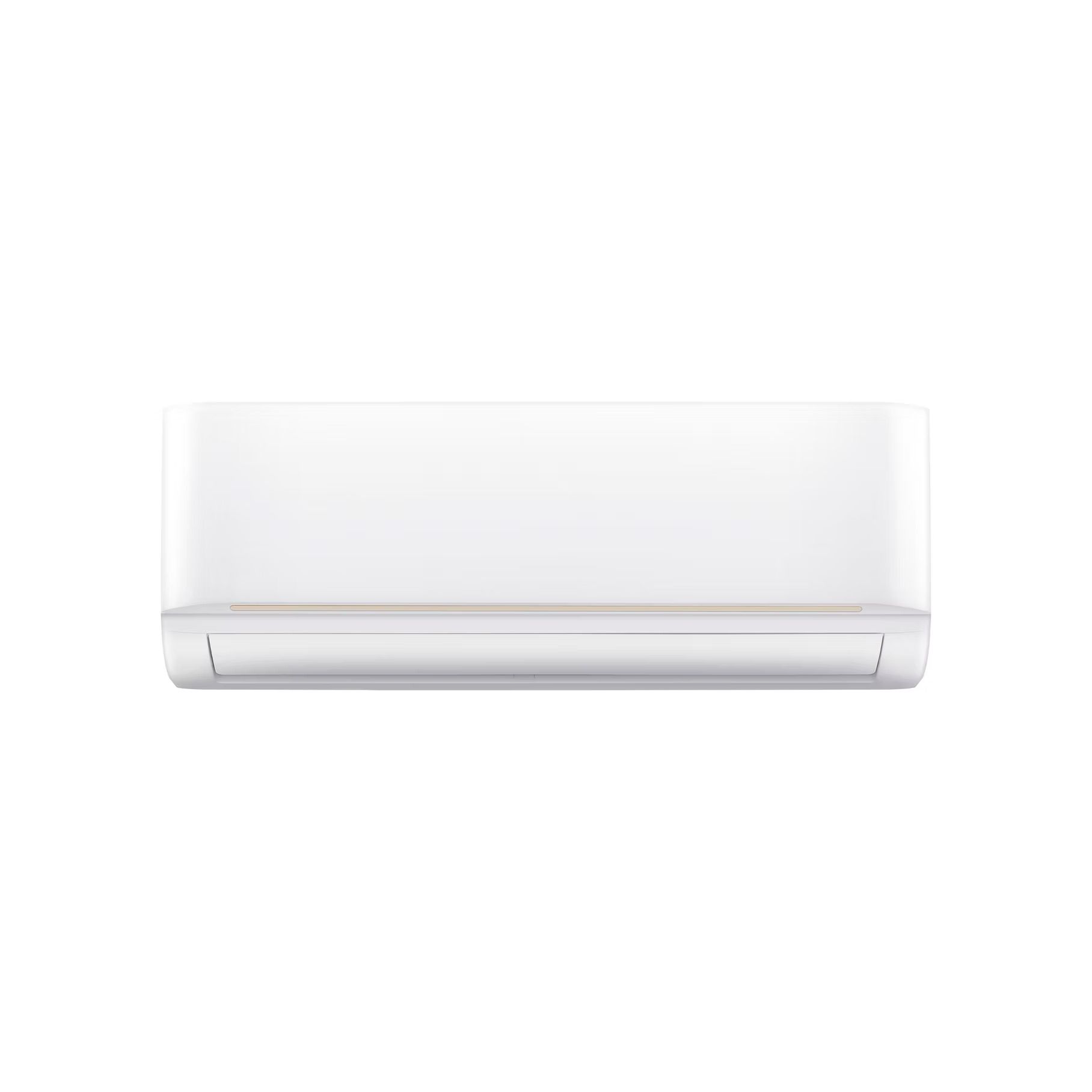
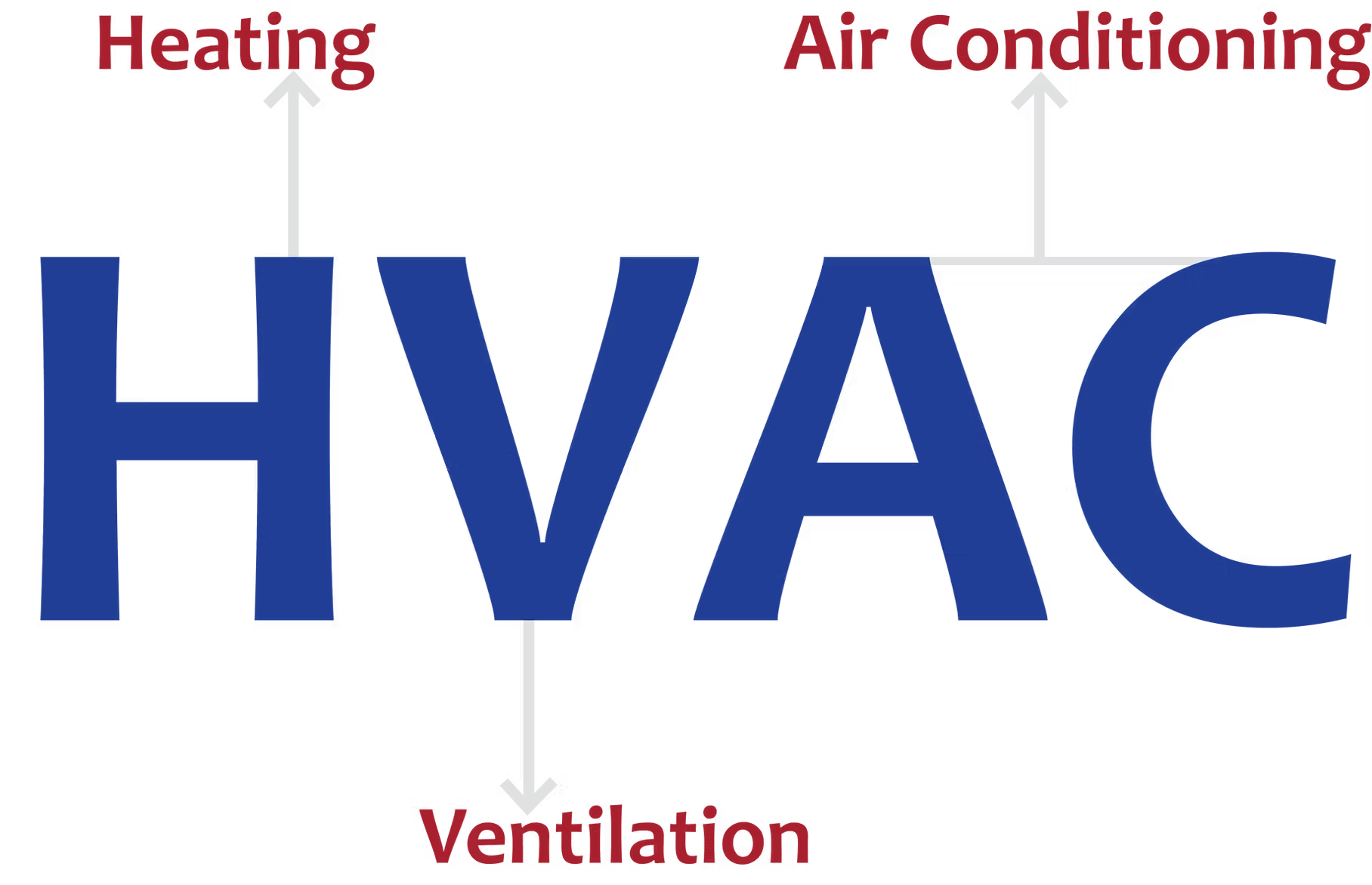
Worried about your HVAC system and Carbon Monoxide? Check out the Steinhardt Comfort Shield! We will check your carbon monoxide detector during your fall/winter check.

Why winter weather increases carbon monoxide risk:

  • Increased use of heating devices: During cold weather, homes are heated using furnaces, fireplaces, and space heaters, which can all be sources of CO.

  • Sealed homes: Windows and doors are kept shut in the winter, limiting ventilation and allowing CO to build up inside if there is a leak.

  • Snow and ice blockages: Heavy snowfall can block exterior vents for furnaces, dryers, and water heaters, trapping CO inside the home instead of allowing it to vent safely outdoors. Similarly, snow can block a car's tailpipe, and generators or other fuel-burning devices should never be used in a garage or near windows and doors. 


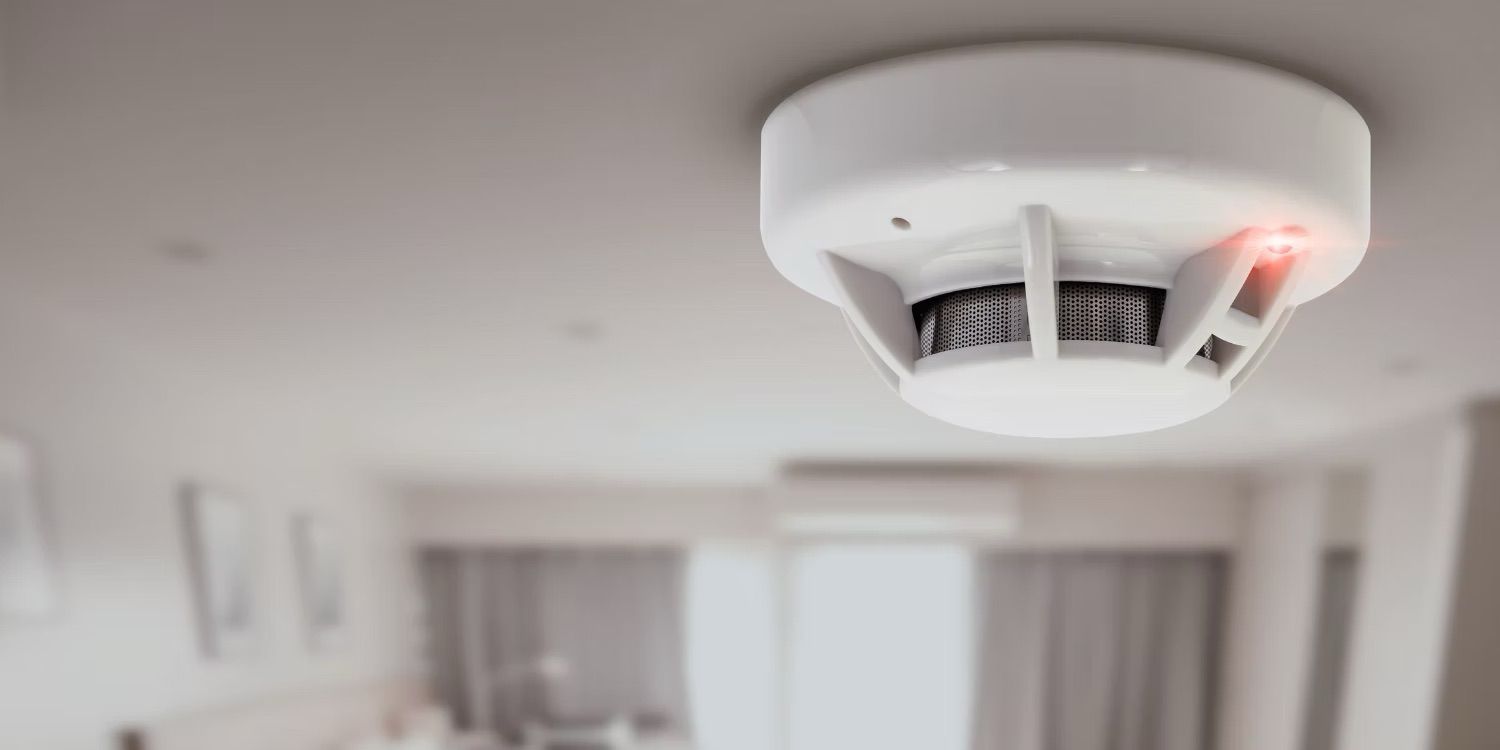
CO Detector

How to stay safe from carbon monoxide poisoning

  • Install CO detectors: Make sure you have working carbon monoxide detectors on every level of your home, especially near sleeping areas. Test them regularly and replace them according to the manufacturer's instructions.

  • Maintain heating systems: Have your furnace, water heater, and other fuel-burning appliances inspected and serviced by a licensed technician every year.

  • Keep vents clear: After a snowfall, check all exterior vents, including those for your furnace, dryer, and fireplace, and clear any snow or ice that may have accumulated. Also, ensure a car's tailpipe is clear of snow.

  • Use devices safely: Never use a generator, charcoal grill, or gas oven to heat your home. Place generators at least 20 feet away from your home with the exhaust pointing away from it. 

CO Poisoning

What are the Symptoms of CO Poisoning?

Everyone is at risk of CO poisoning. Because CO is invisible and odorless, it's important to know the symptoms of CO poisoning and immediately seek medical help if symptoms occur.

The most common symptoms include:

  • Headache and dizziness (usually affecting more than one person in the same enclosed area)

  • Upset stomach, vomiting, and weakness

  • The disappearance of symptoms when people leave the area


Comments


Join our mailing list for the best offers!

Steinhardt HVAC Logo 2025
SERVPRO Logo - Madison, Lawrenceburg & Versailles
  • Instagram
  • Facebook
  • X
  • Youtube
  • Linkedin
  • Threads
  • TikTok

2025 Steinhardt Enterprises Inc. All Right Reserved.

bottom of page